

The Word of God is Power
Introduction
We are grounded in the truth that the Word of God is not merely informational — it is power. Ecclesiastes 8:4 tells us that where the word of a king is, there is power, and we see that illustrated vividly in the story of Daniel, where a royal decree, once spoken, could not simply be undone. This is the nature of authoritative words — they carry weight that outlasts the moment they are spoken. We are also confronted by the sobering reality that words, for good or ill, shape people’s lives. Life and death are in the power of the tongue, as Proverbs 18:21 declares, and we have seen — perhaps in our own lives — how a careless or cruel word from someone in authority can lodge itself in a person’s confidence and do lasting damage.
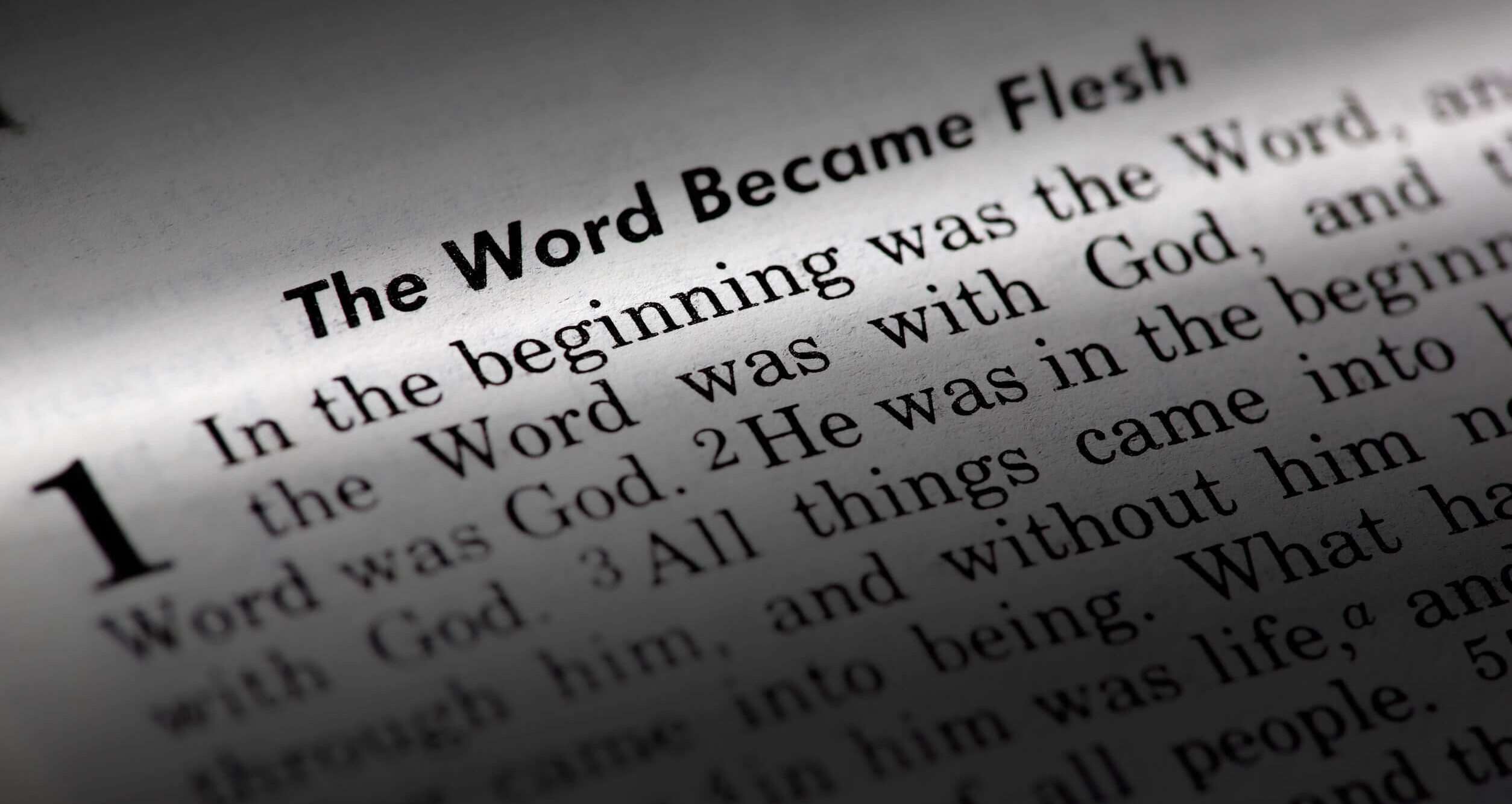
This is precisely why we cannot treat words lightly, and why the Word of God must be the standard against which every utterance is measured. We have been helped to understand the distinction between Logos — the written Word, as expressed in John 1:1 where the Word is God Himself, and in John 1:14 where that same Word became flesh — and Rema, which is a specific, spoken utterance from God, such as the angel’s word to Mary in Luke 1:35-38. Both matter deeply, but they are not interchangeable, and understanding the difference protects us from deception.
We are also challenged by the story of the young and old prophets, which serves as a sobering warning about what happens when we operate without a thorough grounding in the written Word. Not knowing the Scriptures — from Genesis to Revelation — leaves us vulnerable to misrepresenting God, being deceived, and even experiencing premature spiritual fruitlessness. As 2 Corinthians 3:6 reminds us, the letter kills but the Spirit gives life — and yet the Spirit will never contradict the letter. Any Rema that does not align with the written Word should be treated with serious caution.
We are also struck by the picture of Adam in Genesis 2:19-20, tasked by God with naming the creatures — and every name he gave stood. His words were backed by divine authority because he was aligned with God, acting as a prophet whose declarations carried the weight of heaven. Hebrews 4:12 assures us that the Word of God is living and powerful, sharper than any two-edged sword — and Matthew 12:33 reminds us that a tree is known by its fruit. We cannot speak with authority and accuracy for God while harbouring bitterness, unforgiveness, or hatred within us. Our inner state is not separate from our words — it is revealed by them.
Takeaways
We leave with a deepened reverence for the Word of God and a renewed commitment to knowing it thoroughly — not as an academic exercise but as a matter of spiritual survival and effectiveness. The power of a king’s decree, as described in Ecclesiastes 8:4, is a pale shadow of the power resident in God’s Word, and we want to be people who carry that Word with understanding rather than assumption.
We also walk away with a clear and practical framework for discernment: Rema — any word we believe God is speaking to us personally — must always be tested against the Logos, the established written Word. If it contradicts Scripture, it is not from God, however compelling it may feel. Feelings and emotions, we are reminded, are not reliable spiritual guides. A deep, Word-grounded knowing is what produces steadfastness — in our faith, in our relationships, and in our response to life’s pressures.
We also carry away a conviction that cannot be dismissed: we cannot truly represent God while our hearts are out of order. Bitterness, unforgivness, and unresolved hatred are not private matters — they corrupt the very words we speak and undermine our ability to be genuine instruments of God’s truth and love. Matthew 12:34 puts it plainly: out of the abundance of the heart, the mouth speaks.
If we want our words to carry life, we must tend to our hearts first. This is not a burden — it is an invitation to the kind of inner wholeness that makes our words worth listening to. We leave committed to reading more, praying more, and guarding our hearts more carefully — so that when we speak, what comes out genuinely reflects the God we represent.