
The Ecclesia: The Body of Christ, the Kingdom of God (Part 4)
Introduction
We have come to understand that prayer is not a monologue — it is a genuine dialogue with God, and that means we must learn to be still enough to hear His voice in return. As Psalm 46:10 simply and powerfully instructs us, “Be still, and know that I am God.” But stillness is increasingly difficult to come by. We recognise that busyness — even good busyness, full of work and events and commitments — can become a spiritual weight that quietly distances us from the very One we are called to stay close to. Hebrews 12:1 urges us to lay aside every weight that hinders us from running the race set before us, and we take that seriously.
We are also becoming more intentional about discretion, understanding that the enemy is strategic and uses information as a tool. What we share publicly, particularly online, can open doors we never intended to open — and wisdom calls us to guard our lives accordingly. God is building His church, as Matthew 16:18 promises, and no force can prevail against it — but He builds it through available, willing vessels who carry an “I can do” spirit rooted in trust rather than fear.
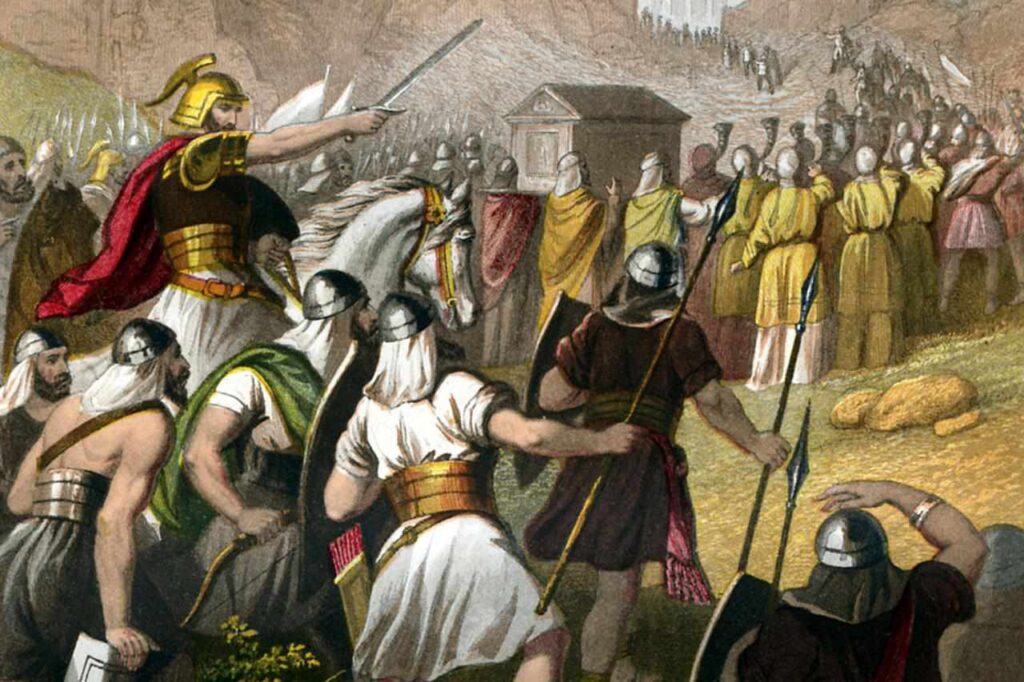
We are also deeply challenged by the contrast between the generation of Moses and the faith of Joshua and Caleb. An entire generation stood on the edge of everything God had promised and turned back — not because the promise failed, but because complaint, fear, and reliance on one man eroded their resolve. Despite witnessing miracle after miracle, they could not break through. Numbers 13:30 captures Caleb’s response perfectly — he quieted the people and declared that they were well able to take the land.
Joshua and Caleb saw the same giants everyone else saw, but chose to call them bread rather than threats. We want to be people of that calibre — bold enough to press through, like the woman with the issue of blood in Mark 5:27, who fought her way through a crowd simply to touch the hem of His garment and found her breakthrough on the other side. We also carry a prophetic expectation for what God is doing in Milton Keynes — believing that this city is being prepared as a hub for revival and a springboard for international impact.
Takeaways
We walk away with a practical and personal challenge: to honestly identify the weights in our lives that are slowing us down spiritually and to shed them without sentiment. Not everything that fills our time is building our faith, and we are being called to make the distinction. Hebrews 12:1 doesn’t suggest we consider laying aside weights — it instructs us to do it.
Alongside this, we are taking seriously the call to guard what we share and with whom, recognising that spiritual adversaries are not careless and neither should we be. Discretion is not paranoia; it is wisdom, and Proverbs 4:23 reminds us to guard our hearts above all else, for everything we do flows from it. We also leave with a renewed commitment to surround ourselves with people who call out our faith rather than feed our fears — because the company we keep shapes the courage we carry.
Most of all, we leave stirred by the call to cooperation and boldness. God is not looking for the most talented or the most qualified — He is looking for the available. An “I can do” spirit, grounded in Philippians 4:13, is what positions us to be used. We refuse to stand at the edge of what God has promised and retreat because the opposition looks too large.
We choose instead the mentality of Joshua and Caleb — people who looked at giants and saw opportunity, who trusted the promise more than they feared the problem. God is building something in us and through us, and we want to be found ready, willing, and fully in step with what He is doing.