


The Importance of First Fruit (Part 1)
Introduction
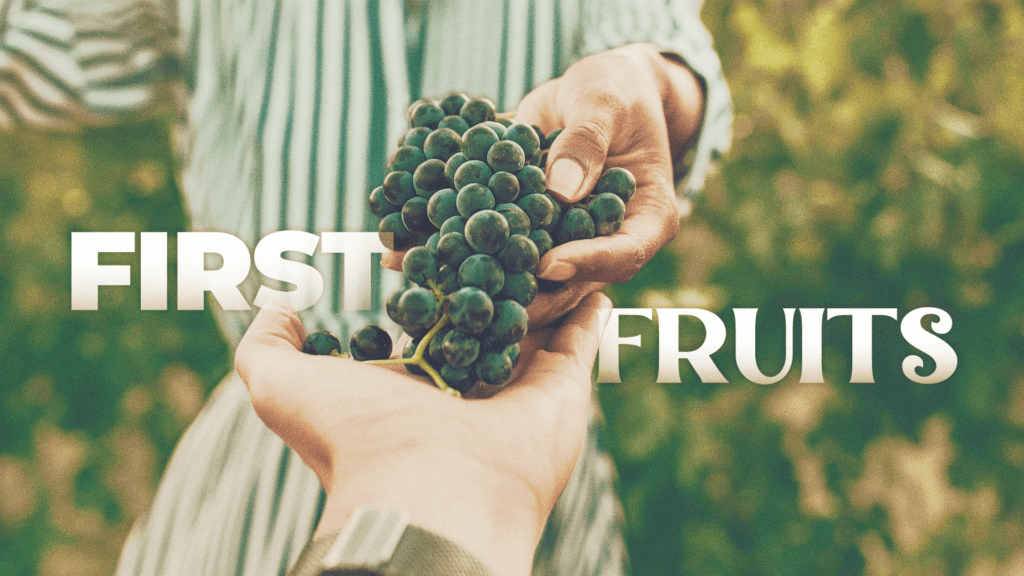
We are reminded that honouring God with our first fruits is an act of faith, trust, and stewardship. When we give God the first and best of our increase, we acknowledge that everything we have comes from Him and belongs to Him. Scripture teaches us clearly, “Honour the Lord with your possessions, and with the first-fruits of all your increase” Proverbs 3:9–10. As we obey, we do not give out of fear or pressure, but with cheerful hearts, trusting that God’s promises of provision and overflow are true. In doing this, we confront the spirit of lack and declare that God, not money, is our source.
We also learn that capacity and obedience matter when God wants to bless us. Just as the fishermen experienced overflow when they obeyed Jesus despite their tiredness Luke 5:4–7, we see that God responds to faith-filled action. We are encouraged not to despise spiritual blessings for immediate comfort, as Esau did Genesis 25:34, and not to forget God in seasons of abundance Deuteronomy 8:18. As we commit to honouring God continually, we trust that His unchanging laws will release provision, success, and divine increase in our lives, because He remains faithful to His word.
What does Proverbs 3:9–10 teach about honouring the Lord?
We are taught that honouring the Lord begins with recognising Him as the source of everything we have. When we bring our possessions and the first fruits of all our increase to God, we are placing Him first in our lives, not last. This act is not about obligation but about reverence and trust in His provision, as clearly instructed in Proverbs 3:9–10.
We also hold onto the promise attached to obedience: fullness and overflow. As we honour God first, we trust that He will take care of what concerns us. Our giving becomes an expression of faith, believing that God is faithful to fill our barns and cause our lives to experience divine increase.
What is meant by being a steward of possessions?
We understand that stewardship means we do not truly own anything; everything belongs to God. Our role is to manage what He has entrusted to us with wisdom, humility, and obedience. This mindset shifts our hearts from possession to responsibility, knowing we will give account for how we honour God with what He gives.
When we see ourselves as stewards, generosity becomes natural rather than forced. We give not because we must, but because we recognize God’s ownership and goodness. Stewardship aligns our hearts with heaven’s priorities and keeps us dependent on God rather than material things.
How does first fruit differ from the tithe?
We learn that first fruits represent the first and best portion of our increase, offered to God at the beginning, not after everything else is settled. The tithe is a tenth of what we earn, but first fruits go beyond percentage—it is about priority and honour.
By giving first fruits, we declare that God comes first in every new season, income, or increase. This act reflects faith and trust, acknowledging that the rest is blessed because God received the first.
What spiritual challenge are believers confronting?
We are confronting the spirit of lack, which seeks to limit our faith and keep us bound by fear and scarcity. This mindset causes us to hold back from God instead of trusting Him fully. Honouring God with first fruits directly challenges this spirit.
As we obey, we break free from limitation and step into abundance. We begin to see God as our provider, not our resources, and we walk confidently in His promise of provision and overflow.
What biblical example illustrates valuing spiritual inheritance?
We reflect on the story of Esau and Jacob, where Esau traded his birthright for a temporary meal Genesis 25:29–34. This reminds us how easy it is to prioritise immediate comfort over lasting spiritual blessing.
We are warned not to treat God’s principles casually. When we value spiritual inheritance, we honour God with the best and refuse to sacrifice eternal blessings for temporary satisfaction.
What promises are given to those who honour God with first fruits?
We are assured that obedience brings divine results. God promises abundance, success, multiplication, and delight in blessing His people when they walk in His ways Deuteronomy 30:9, Proverbs 3:10.
These promises remind us that God is not trying to take from us but to bless us. As we obey, we step into a life marked by fruitfulness and divine favour.
Why give God the best and not leftovers?
We understand that giving God our best reflects our honour, love, and faith in Him. Leftovers reveal hesitation, but first fruits reveal trust. God deserves our highest offering because He gave us His best.
When we give first, we show that God is not an afterthought. Our giving becomes worship, demonstrating reverence and confidence in His provision.
What attitude should we have when giving first fruits?
We are encouraged to give cheerfully, willingly, and in faith, not out of fear or anxiety. God delights in joyful obedience that flows from trust in His character and promises.
As we give with the right heart, we experience peace instead of worry. Faith replaces fear, and generosity becomes a lifestyle rooted in confidence in God.
How does the teaching address wealth and pride?
We are warned to remain humble in seasons of prosperity and not forget the Lord when things go well. Scripture reminds us that it is God who gives power to get wealth Deuteronomy 8:18.
We choose gratitude over pride, remembering that every blessing comes from God. This keeps our hearts aligned with Him and protects us from self-reliance.
What practical challenge is given regarding first fruits?
We are challenged to act intentionally by setting aside our first and best as an offering to God. Writing “first fruit” becomes a tangible step of faith and obedience.
This action helps us commit our hearts and resources to God. As we step out in faith, we trust that God will honour His word and respond with blessing and increase.